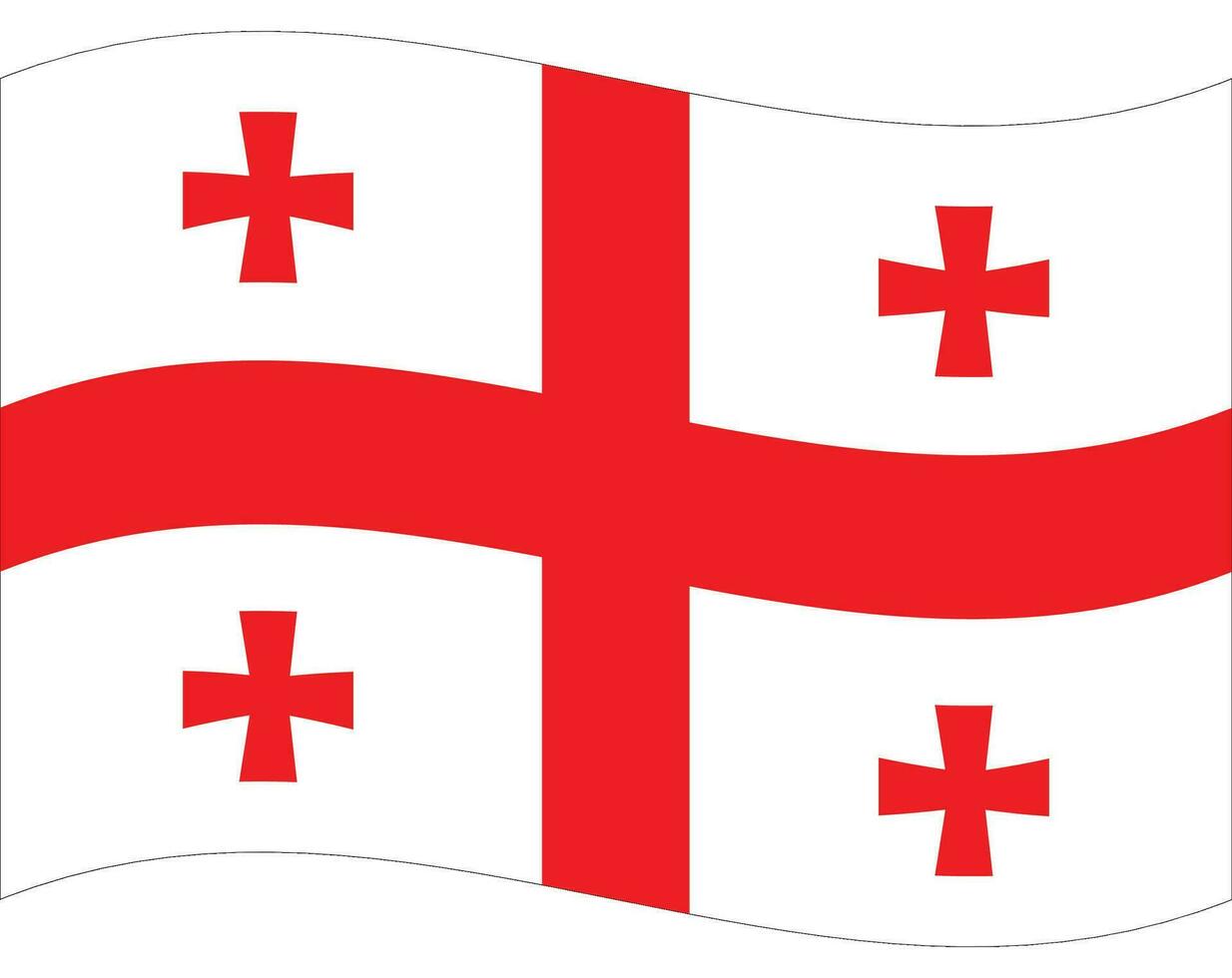
GEORGIA

Study In GEORGIA

GEORGIA
Admission NEET
Yearly Fees 5 LAKH
About GEORGIA
Georgia has become in recent years a popular choice among Indian students seeking to study MBBS, with European standards of education and affordable price tags alongside a friendly environment. The public and private medical universities in Georgia focus on quality fundamentals of basic sciences coupled with innovative clinical exposure in the partner hospitals. Most institutions provide full English-medium courses throughout the curriculum, which minimizes the initial language gap, although learning basic Georgian or Russian greatly enhances patient communication during clinical years and everyday life. Fees are relatively moderate compared to international standards, usually ranging from USD 4,500 ??? 7,500 annually according to the university, while hostel facilities, health cover, and living costs are reasonably affordable in prime student centers. There is no local entrance test required for admission; Indian applicants need to pass NEET according to National Medical Commission standards for MBBS overseas. The duration of the MD (which is equivalent to MBBS) course is six years, consisting of pre-clinical, para-clinical, and clinical courses with hospital rotations. Attendance and ongoing assessment are treated seriously, and simulation labs, OSCE-type examinations, and early patient exposure are many universities' ways of developing clinical skills and bedside manner. Degrees of the known Georgian medical schools are included in the World Directory of Medical Schools, allowing the graduates to follow licensure routes according to the destination country regulations. Indian graduates are entitled to sit for the FMGE and should monitor implementation of NExT through ongoing NMC notifications; those for the USA or UK destinations can take the USMLE or PLAB/UKMLA respectively, along with satisfying the language and document requirements. Georgia's medical schools are increasingly seeing Indian student populations, with provision of Indian mess facilities, peer support groups, and international student offices to help with orientation, residence permits, and other practicalities. The capital city of Tbilisi is home to a number of prominent institutions and features a lively, secure city life with good public transport and up-to-date facilities; Batumi and Kutaisi are likewise sought after for their student lifestyle and comparatively modest prices. The temperate climate is in contrast to remote northern destinations, with mild winter months by continental measures and pleasant autumns and springs. Overall, Georgia offers a balanced offer of English-medium teaching, organized training, affordable fees, and transparent global exam routes???making it an attractive option for Indian MBBS aspirants looking for a good medical education in a European environment.
Location of GEORGIA
Georgia is a transcontinental nation at the intersection of Eastern Europe and Western Asia, lying on the eastern coast of the Black Sea and the southern flanks of the Greater Caucasus Mountains. Cozy in area at about 69,700 square kilometers, it is bordered by Russia to the north, Armenia and Turkey to the south, and Azerbaijan to the southeast, with sea access to the Black Sea to the west. Even though its territory is small, the geography of Georgia is profoundly varied???spanning alpine mountains and glaciers in the Greater Caucasus, fertile valleys such as Kakheti and Imereti, volcanic plateaus and mineral springs in the south, and humid subtropics in the lowlands on the Black Sea coast. This gives rise to diverse local microclimates and convenient proximity to nature from the majority of cities. Tbilisi, the capital and most populous city, is situated on the Kura (Mtkvari) River and serves as the nation's political, economic, and intellectual center, home to a number of premier universities and medical schools along with research institutions and large hospitals. Batumi, on the Black Sea coast, is developing as an education and tourism hub with new infrastructure and a warmer, coastal climate; Kutaisi, one of the world's oldest continuously inhabited cities, is a second student-friendly centre with accessible transport links and emerging university facilities. These cities have safe public transport, international connectivity (Tbilisi, Kutaisi, and Batumi airports), and a blend of historic urban areas and modern amenities
Climate
Georgia's climate is different in different regions: humid subtropical in the western lowlands, continental to semi-continental in the interior valleys, and alpine in the mountains. Winters in the capital cities are usually moderate relative to distant northern nations, with snow occurring at times, and springs and autumns are comfortable and summers warm to hot???cooler in the highlands. For foreign students, this small geography provides the utilitarian benefit of short commutes among campuses, clinics, and recreation areas, and the cultural diversity of a nation where European and Caucasian worlds intersect. The blend of easy access to city life, beautiful scenery, and highly developed transport makes Georgia an easy and stimulating place to reside and learn.
Area
Georgia is little on the map but large in spirit. Covering approximately 69,700 square kilometers, it's a place where you can learn to know it???coast to mountain within a day, city commotion to serene valleys by dusk. To the west, there are sea breezes and palm-lined promenades along the Black Sea; to the north, snow-tipped mountains and glaciers rise in the Greater Caucasus; and to the south, undulating volcanic plateaus and the Lesser Caucasus line the horizon. It's a tight little space with genuine diversity all condensed together. What is so special about Georgia for students is how accessible everything is. You can work in busy Tbilisi weekdays, then head up to the serene mountains of Svaneti at the weekends, or quickly pop along to the seashore in Batumi. The small size of the country means you're never more than a few hours from an entirely different climate and culture. If you want to discover ancient cave cities, trek through untouched national parks, or just bask in the legendary Georgian hospitality in tiny mountain villages, it's all within easy reach. This geographic diversity, all condensed into such a compact space, provides an intensely rich and diverse experience for international students???having an entire continent's worth of experiences at your doorstep.
Official Language
The Kartuli Georgian language is Georgia's official language and is employed in the government, law, media, and public education. Although there are a number of medical universities admitting international students with full or partial English???medium MBBS/MD programs???again usually particularly in pre-clinical years???Georgian becomes unavoidable in clinics where the majority of patients and hospital employees mostly speak Georgian. Outside of the hospital, daily activities like shopping, banking, utilization of public transportation, and accommodation arrangements are much less complicated with basic Georgian. Universities generally offer formal Georgian-language classes for foreign medical students, with a focus on medical terms and interaction with patients, usually starting in the first or second year and increasing before or concurrently with clinical postings. Spend time learning Georgian which greatly enhances clinical skills and bedside skills, facilitates easier social integration, and can provide access to local electives, internships, community outreach, and even future postgraduate possibilities in Georgia.
How to Reach
Point Details
Airports in Georgia - Tbilisi: Tbilisi International Airport (TBS)
- Batumi: Batumi International Airport (BUS)
- Kutaisi: Kutaisi International Airport (KUT)
Flight Duration from India - Delhi/Mumbai ??? Tbilisi (1-stop): ~9???12 hours total
- Bengaluru/Chennai/Hyderabad ??? Tbilisi (1-stop): ~10???14 hours total
Direct Flights Available - No regular nonstop flights from India to Georgia currently; mostly 1-stop connections
Connecting Flights - Common layovers: Istanbul (Turkish Airlines, Pegasus), Dubai (Emirates, flydubai), Doha (Qatar Airways), Abu Dhabi (Etihad, Air Arabia Abu Dhabi via Sharjah), Jeddah/Riyadh (SAUDIA), Baku (AZAL)
- Typical total travel time with layovers: 9???14 hours
Visa Requirement - Student visa required for Indian students
- Documents: Passport, university invitation letter, visa application form, passport-size photo, medical certificate, proof of financial support
Steps for Visa Application 1. Receive admission letter from university
2. Complete visa application form
3. Submit documents to the consulate
4. Wait for visa processing (10???15 days)
5. Collect visa and prepare for travel
Flight Booking Tips - Book flights well in advance for better prices
- Check baggage limits for each airline
Currency Exchange - Exchange INR ??? USD/EUR in India; convert to GEL in Georgia
- ATMs widely available; enable international usage/notify bank
Accommodation Options - University dorms (limited; apply early)
- Private apartments/shared flats near campuses in Tbilisi, Batumi, Kutaisi
- Short-term: hostels/guesthouses on arrival
Health Insurance - Mandatory; ensure coverage from travel date and compliant with visa/residence rules
- Some universities offer or guide on student plans
Safety and Health Considerations - Generally safe; normal precautions in crowded areas
- Cold winters (colder in mountains); pack warm clothing
Transport from Airport - Options include taxis, and public transportation to reach your university or accommodation
Recognized Bodies
World Directory of Medical Schools (WDOMS), edited by FAIMER and WFME ??? Most regulators require your Georgian medical school to be listed here. Use the WDOMS entry to confirm program details and graduation eligibility. National Center for Educational Quality Enhancement (NCEQE), Georgia ??? Georgia's national accreditation authority. Many Georgian medical universities are institutionally or programmatically accredited through NCEQE; check the school's current accreditation status, as ECFMG/WFME pathways hinge on recognized accreditation. National Medical Commission (NMC), India ??? Regulates eligibility for Indian citizens. Georgian MD graduates must satisfy NMC's Foreign Medical Graduate requirements and pass FMGE (or NExT when implemented), including internship and documentation criteria consistent with the latest Gazette notifications. World Health Organization (WHO) ??? WHO no longer "approves" medical schools; the historic AVICENNA directory is sunset. Recognition is referenced via WDOMS; avoid claims of "WHO-approved" and use "listed in WDOMS" instead. UNESCO ??? Does not approve medical schools for licensure. Any UNESCO mentions relate to education frameworks; licensure is determined by national regulators. What this means for students:
  • Select a WDOMS-listed Georgian university and verify its up-to-date NCEQE accreditation status; if you intend to take the US pathway, make sure the school's accreditation meets WFME recognition for ECFMG eligibility.
  • For India, check conformity with the current NMC Gazette (course length, continuous training in the same nation including internship/clinical rotations, language of teaching, and hospital attachments) and prepare for FMGE/NExT.
  • Plan to pass national licensing examinations like FMGE/NExT (India), USMLE (USA), PLAB/UKMLA (UK), MCCQE/NAC (Canada), AMC exams (Australia), or equivalents, and finish mandatory internship/housemanship.
  • Maintain documentation in order: offer/acceptance letters, enrollment records, transcripts, degree, evidence of clinical training and internship, accreditation confirmations, and eligibility certificates. EPIC/ECFMG for primary source verification as necessary.
Why choose MBBS in GEORGIA?
Reasonable Fee Structure: The tuition fee for MBBS/MD courses in Georgia generally varies from $4,500 to $8,000 per year based on the university and location. In comparison with most Western and Asian countries, overall program costs are reasonable. Global Recognition and Licensure Pathways: Georgian medical universities registered in the World Directory of Medical Schools (WDOMS) and accredited by Georgia's NCEQE open up eligibility for graduates to engage in licensure pathways overseas, depending on the regulations of each country. Graduates typically seek FMGE/NExT (India), USMLE/ECFMG (USA), PLAB/UKMLA (UK), MCCQE/NAC (Canada), and AMC exams (Australia). Always check your desired regulator's most recent requirements and your school's status. English-Medium Programs with Academic Support: Many Georgian universities offer full English-medium MD programs, including lectures, labs, and clinical rotations. Bridging modules, medical English support, and prep for international exams (e.g., USMLE-style question banks, OSCE practice) are increasingly available. Access to English-language textbooks, simulation tools, and digital libraries supports consistent progress from the first year. Quality Education and Contemporary Infrastructure: Strong lab exposure in core medical sciences such as anatomy, histology, biochemistry, and physiology precedes progressive clinical immersion. Universities preferentially collaborate with Tbilisi, Batumi, Kutaisi, and other city teaching hospitals with simulation centers, skills labs, and availability of electronic resources. Diverse international faculty with experience promotes evidence-based learning. Moderate Cost of Living and Student-Friendly Cities: The monthly living cost typically costs between $300 and $500, including shared accommodation, meals, transport, and necessities???depending on the city and lifestyle. Students enjoy good public transport in major cities, student discounts, and low-cost eating. University-run hostels and approved private rental flats offer alternatives with internet, heating, security, and nearness to campuses. Streamlined Admission of International Students: For Indian candidates, qualification in NEET is necessary, but other university-specific entrance exams are minimal or unnecessary. Academic records and eligibility form the major basis for admissions. The application process is supported by international student offices in applications, visa arrangements, arrival, and orientation, thus facilitating smoother onboarding. Safe, Welcoming, and Culturally Rich Environment: Hospitality for which Georgia is famous, safety of student neighborhoods, and caring university support???health centers, counseling, and international student offices. A rich mix of past and present???museums, buildings, music, and festivals???adorns student life. Diverse cohorts build worldwide connections and peer learning.
Documents Required
Marksheets
X & XII Marksheets
NEET Scorecard
NEET Scorecard
Passport
Passport
Photos
Passport Size Photos
Medical Reports
HIV, COVID Report
Bank Statement
Bank Statement
INDIA V/S GEORGIA
Category Georgia India
Eligibility & Entrance NEET-UG required for Indian students; admission typically on 12th marks + NEET qualification; no national entrance exam in Georgia NEET-UG mandatory; centralized counseling; highly competitive cutoffs for government seats
Course Duration 6 years total (commonly 5 years + 1-year internship; structures vary) 5.5 years (4.5 years academics + 1-year compulsory internship)
Teaching Language English-medium programs for international students English-medium
Annual Tuition (approx.) USD 4,500 ??? 7,500/year Govt: ???1k???1 lakh/year; Private: ???10???25 lakh/year; Deemed: ???18???30+ lakh/year
Living Costs (approx.) ???30,000???60,000/month (Tbilisi higher; includes rent, food, transport, insurance) ???8,000???20,000/month (varies by city; metros higher)
Clinical Exposure Adequate clinical training in affiliated hospitals; generally lower patient load than Indian govt hospitals High patient load in govt colleges; strong hands-on exposure
Licensing to Practice in India Eligible for FMGE/NExT if university meets NMC/FMGE norms; must complete required internship and registration in India Direct pathway via MBBS + internship ??? NExT (as implemented) for licensure and PG eligibility
Recognition Many universities are NMC-listed and WDOMS/WHO-recognized; global credibility NMC-recognized colleges; admissions via counseling
Hostel & Safety University/partner hostels and private rentals; generally safe (Tbilisi/Batumi); standard precautions Govt colleges usually have on-campus hostels; private options vary
Frequently Asked Questions

Typically 6 years total (commonly structured as 5 years academics + 1 year internship/clinical practice).

Yes. Indian students must qualify NEET-UG to be eligible for admission and for future licensing in India under NMC rules.

Many universities offer full English-medium MD/MBBS programs for international students.

Yes. You must clear FMGE/NExT (as implemented) and complete the required internship in India to obtain registration.

Most universities provide on-campus or partner hostels; many students also rent nearby apartments. Facilities vary by school; international student support is common in cities like Tbilisi and Batumi.

Clinical training is conducted in university-affiliated hospitals. Patient load is generally lower than in large Indian government hospitals; learning is more structured, with language support needed for patient interactions.

Part-time work options are limited and subject to Georgian immigration rules. Prioritize academics; confirm the latest regulations before planning employment.

Tbilisi and major student cities are generally considered safe; use standard urban precautions. University international offices guide on housing and safety.