Get details and latest updates about your dream university
Frequently Asked Question?
Find answers to commonly asked questions about MBBS abroad, admissions, visas, and more. Can't find what you're looking for? Contact us for personalized assistance.
Frequently Asked Questions
Anim pariatur cliche reprehenderit, enim eiusmod high life accusamus terry richardson ad squid. 3 wolf moon officia aute, non cupidatat skateboard dolor brunch. Food truck quinoa nesciunt laborum eiusmod. Brunch 3 wolf moon tempor, sunt aliqua put a bird on it squid single-origin coffee nulla assumenda shoreditch et. Nihil anim keffiyeh helvetica, craft beer labore wes anderson cred nesciunt sapiente ea proident. Ad vegan excepteur butcher vice lomo. Leggings occaecat craft beer farm-to-table, raw denim aesthetic synth nesciunt you probably haven't heard of them accusamus labore sustainable VHS.
Anim pariatur cliche reprehenderit, enim eiusmod high life accusamus terry richardson ad squid. 3 wolf moon officia aute, non cupidatat skateboard dolor brunch. Food truck quinoa nesciunt laborum eiusmod. Brunch 3 wolf moon tempor, sunt aliqua put a bird on it squid single-origin coffee nulla assumenda shoreditch et. Nihil anim keffiyeh helvetica, craft beer labore wes anderson cred nesciunt sapiente ea proident. Ad vegan excepteur butcher vice lomo. Leggings occaecat craft beer farm-to-table, raw denim aesthetic synth nesciunt you probably haven't heard of them accusamus labore sustainable VHS.
The time it takes to repair a roof depends on the extent of the damage. For minor repairs, it might take an hour or two. For significant repairs, a Edura or team might be at your home for half a day.
The time it takes to repair a roof depends on the extent of the damage. For minor repairs, it might take an hour or two. For significant repairs, a Edura or team might be at your home for half a day.
The time it takes to repair a roof depends on the extent of the damage. For minor repairs, it might take an hour or two. For significant repairs, a Edura or team might be at your home for half a day.
Yes. You need to clear FMGE/NExT (as adopted by NMC) and undergo the required internship in India to secure registration.
Yes. Indian students are required to pass NEET-UG for eligibility and to comply with NMC for future licensing in India.
Usually 6 years in all (5 years of academic education + 1 year internship/clinical practice), as with most NMC-compliant systems.
English-medium MD/MBBS programs for international students are available in several public universities.
Most medical schools offer on-campus dorms or university-affiliated hostels; private flats within walking distance of campuses are also common. Amenities differ per city and school; international student offices can help with housing.
Clinical training is in university-associated teaching hospitals. Patient load is decent; exposure is organized with supervised rotations. Basic Uzbek/Russian learning is helpful for communicating with patients.
Part-time employment for international students is minimal and governed by Uzbekistan's immigration and labor regulations. Focus on studies and check current rules with the university and the local authorities.
Tashkent, Samarkand, and Bukhara are big student cities that tend to be secure. Practice common sense in safety; university international offices advise on accommodation, local transport, and emergency numbers.
Tuition is normally between USD 3,000???6,000 annually based on the university. Living expenses (accommodation, food, transport) are usually between USD 200???400 per month excluding high-end choices and lifestyle.
It will depend on the university in question. Select universities listed/recognized by the appropriate authorities (e.g., part of WDOMS). For India, follow existing NMC guidelines.
Intakes are usually in September; there might be spring intakes for some universities. Apply 3???6 months prior to deal with admissions, invitation letters, and visa processing.
Typically 6 years total (commonly structured as 5 years academics + 1 year internship/clinical practice).
Yes. Indian students must qualify NEET-UG to be eligible for admission and for future licensing in India under NMC rules.
Many universities offer full English-medium MD/MBBS programs for international students.
Yes. You must clear FMGE/NExT (as implemented) and complete the required internship in India to obtain registration.
Most universities provide on-campus or partner hostels; many students also rent nearby apartments. Facilities vary by school; international student support is common in cities like Tbilisi and Batumi.
Clinical training is conducted in university-affiliated hospitals. Patient load is generally lower than in large Indian government hospitals; learning is more structured, with language support needed for patient interactions.
Part-time work options are limited and subject to Georgian immigration rules. Prioritize academics; confirm the latest regulations before planning employment.
Tbilisi and major student cities are generally considered safe; use standard urban precautions. University international offices guide on housing and safety.
Generally 6 years in all (typically 5 years academics + 1 year internship/clinical practice in Kazakhstan). Verify the precise pattern with your selected university and check if it matches NMC standards if you're going to practice in India.
Most universities provide full English-medium MBBS/MD courses for international students. Ensure clinical rotations are also provided and taught in English.
Yes. You have to pass FMGE/NExT (as applied), fulfill NMC conditions for course duration and internship, and subsequently undergo the necessary internship/registration in India.
Campuses generally provide on-campus or affiliated hostels; private accommodation close to campuses is widespread in urban areas such as Almaty, Astana, Karaganda, and Shymkent. The facilities are differential (heating, Wi???Fi, access to kitchens, security); international student desks assist in placements.
Clinical training is at university-associated hospitals. Patient volume is moderate relative to large Indian government hospitals; teaching is organized with simulation/skills labs. Elementary Kazakh/Russian language skills are useful for patient communication.
Part-time employment is restricted and governed by Kazakhstan's immigration and labor regulations. Academic burden is high; review the current regulations with your university prior to arranging employment.
Major student cities (Almaty, Astana, Karaganda, Shymkent) are relatively safe. Take normal urban precautions. Universities offer advice on safe accommodation, local registration, and health insurance.
Winters are extremely cold (frequently below ???15??C in certain areas). Take winter clothing and heating with accommodation provisions.
Yes, Indian students need NEET-UG for eligibility and to pursue licensing in India later.
Many universities offer full English-medium MBBS. You'll also learn basic Russian to communicate confidently with patients during clinicals. This is part of the training benefit.
About 6 years, with clinical exposure integrated to develop practical skills gradually.
Yes, select universities under WDOMS and meeting NMC guidelines. Graduates qualify for Indian licensing routes under prevailing rules.
FMGE/NExT must practice in India. Students from recognized universities are eligible to sit as per NMC regulations.
All universities have on-campus or nearby hostels with basic facilities. Several have meal plans and international student housing.
Typical intakes: September/October (university-wise). Begin applications early (spring/summer), obtain offer letters, and finalize visa formalities well in time.

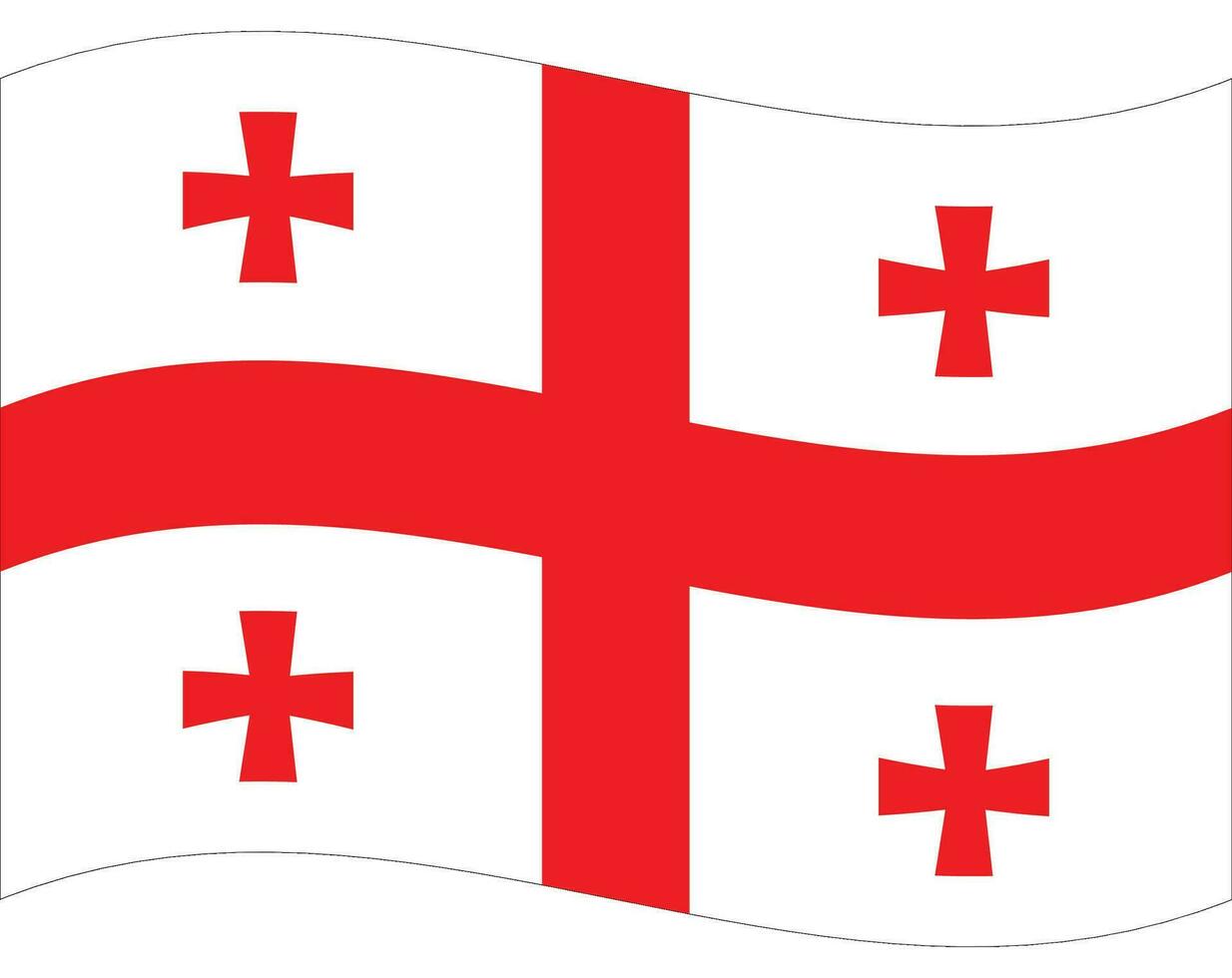 GEORGIA
 Russia
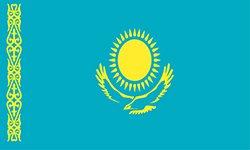 Kazakhstan
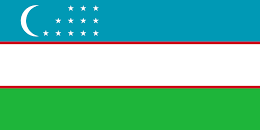 Uzbekistan